
Curated Culinary Journeys: How the Basque Region Defines 2026's Travel Trends
- Tara Busch
- Jan 22
- 8 min read
Food and travel have always been intertwined, but today's travelers are seeking something deeper than just a great dinner at the end of a busy travel day. As we move into 2026, one travel trend that is here to stay is deeper curiosity around food culture among a wide range of travelers! And we couldn't be more thrilled to see this curiosity unfold for our travelers, and the destinations we offer. What we are noticing is a decisive shift: away from just a hot reservation, or a fulfilling meal, discerning travelers want to understand a place THROUGH its culinary traditions, to taste the stories of local communities, and to experience the creativity that emerges when chefs honor their heritage while pushing boundaries. This demand for curated, deeply authentic food experiences is defining luxury travel this year—and no European destination embodies this trend more perfectly than the Basque region.
Across the globe, destinations are responding to this desire by embracing their food heritage, showcasing traditional cuisine, and celebrating locally sourced ingredients presented with fresh takes and innovation.
So what makes a destination truly exceptional for food lovers? It's the perfect marriage of authenticity and evolution—places where centuries-old techniques are still practiced with reverence, yet local chefs aren't afraid to reimagine them. It's direct access to the people behind the food: the fishermen, the farmers, the passionate guides who can lead you to that tucked-away bar where locals gather. And it's the sense that food isn't just sustenance or entertainment, but the very fabric of daily life and community.


One Destination That Exemplifies It All: The Basque Region
One destination that embodies all of these qualities and then some is the Basque region, a distinctive culture that bridges the borders of both Spain and France. The Basque Country, or Euskal Herria as locals call it, occupies a stunning stretch of coastline and mountainous terrain along the Bay of Biscay.
The official Basque name for the Basque Autonomous Community in Spain is Euskadi (Basque) or País Vasco (Spanish). The region encompasses three provinces ( Álava, Gipuzkoa, and Biscay) with vibrant cities like San Sebastian (Donostia) and Bilbao serving as its culinary capitals. Cross the border into southwestern France, and you'll find the French Basque Country (Pays Basque), a quieter, more pastoral landscape dotted with charming villages and laid-back beach towns and a distinct take on the same proud culture.
What makes this region so remarkable is its fierce cultural identity that transcends national boundaries. The Basque people have their own language (Euskara), traditions, and culinary philosophy that remain intact despite centuries of Spanish and French influence.
This isn't simply a border region—it's a unique culture that happens to span two countries, and that duality creates fascinating contrasts in how Basque cuisine is expressed on either side.

Experiencing Basque Culture Through Food
The Art of Pintxos: A Culinary Crawl Through Basque Spain
In San Sebastian and Bilbao, food is a social ritual, and pintxos are at the heart of it. Pintxos (pronounced "peen-chos") are the Basque take on tapas—small dishes, often just a few bites, but crafted with extraordinary care and creativity. Unlike tapas in other parts of Spain, pintxos are typically displayed on bar counters, allowing you to see the artistry before you taste it: a slice of baguette topped with foie gras and caramelized apple, a skewer of Gilda (anchovy, olive, and pickled pepper), or an elaborate miniature construction that looks almost too beautiful to eat.


The best way to experience pintxos culture is on a guided food crawl through the narrow streets of San Sebastian's Parte Vieja (Old Town) or Bilbao's Casco Viejo with a local foodie expert. What makes these tours truly special is their spontaneity and personalization. Menus change daily based on what's fresh at the market that morning, and the selection of bars open varies from night to night, so each tour is genuinely unique. Your guide will learn what piques your interest—perhaps you're fascinated by traditional preparations, or you're drawn to avant-garde presentations—and they'll seek out something fabulous just for you.
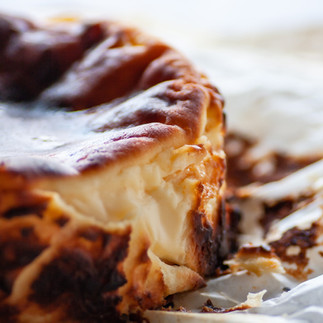
And there's one dish you'll find almost everywhere for dessert: the traditional Basque cheesecake served with port wine. Unlike the dense, graham-cracker-crusted American version, this crustless wonder has a creamy, mousse-like interior balanced by a deeply caramelized top—nearly blackened, giving it that signature "burnt" look. It's rustic, unpretentious, and utterly addictive.



Mastering the Flame: Basque Seafood Traditions
The Basque relationship with the sea runs deep, just ask locals about the adventures and skill of Basque whalers for a taste of the local pride and seafaring history. But for the intersection of seafaring and gastronomic heritage, the best place to look the tiny coastal village of Getaria. It's here you'll find a cooking method that has been perfected over generations. The method used in Getaria may seem simple at first glance, but a closer examination reveals the process requires total control.
How they prepare fish in the traditional style in Getaria: Whole fish - often turbot, sea bream, or hake — are placed inside a cage-like grill, then suspended over hot charcoal on a special outdoor parrilla. The cage allows the delicate fish to be easily flipped while cooking, and as it grills, it's layered with generous amounts of olive oil. The result is magical: a smoky flavor from the charcoal, balanced with the richness of oil, finished with a splash of vinegar that adds a subtle tang and cuts through the richness. It's elemental cooking—fire, salt, oil, vinegar—but the technique and timing require real mastery. When done right, the fish has crispy, caramelized skin and tender, perfectly cooked flesh that tastes purely of the sea, but better thanks to fantastic olive oil, vinegar and garlic. Those in the know will be sure not to stop at the juicy plump filet, but to eat every bit of the whole fish - especially the prized cheeks and crispy skin. It's fair game to use your hand, how else are you going to suck on the fins!
At some point in your Basque trip be sure to try the local wine, txakolí, a fresh, dry white wine typical from this area. Often a young wine, low in alcohol, with high acidity, it compliments all the seafood dishes. The natural carbonation creates a faint sparkling "fizz". Locals pour by holding the bottle in a raised hand as high as their skill level will allow, and the glass below, letting the height of the pour aerate the wine. The effect is a fun, vibrant experience that feels like pure Basque!


Looking for where to try traditionally prepared fish in Getaria? Here are three great grill house options to try;
Restaurant Iribar - Opened in 1950, they specialize in grilled seafood and beef. Woman owned, chef Pili Manterola is following in the footsteps of her grandfather. On my last fish I had Grilled Hake, and Anchovies with Peas (typical for Spring) along with a side of potatoes.
Elkano - A Michelin darling, having earned one-star back in 2015, a huge achievement for the family-run restaurant which opened in 1964. Their approach is one of deep reverence for the fisherman that provide the fresh catch, and for their own craft. The best quality fish meets with "minimal intervention" for a spectacular meal you won't ever forget.
Balearri Getaria - Unpretentious with a view of the beach, this is a great place for people looking for casual dining that still exemplifies the Getarian style. "What began more than 25 years ago as a beach bar offering sardines, mackerel and grilled tuna, has become one of the best and most demanded restaurants in Getaria."
Insider Tip - Spring is a great time visit. The wild Atlantic turbot is in peak season, the Vineyards are starting to bud, you'll find warm days mixed with some rain, but the tradeoff is less crowds than summer, and better prices too!

Crossing the Border: The French Basque
While Spanish Basque cuisine celebrates bold flavors, social eating, and theatrical presentation, French Basque Country offers a quieter, more refined interpretation of the same culinary heritage. The villages of the French side—Biarritz, Saint-Jean-de-Luz, Espelette—feel more pastoral, and the food reflects this gentler landscape.
Here, you'll find more emphasis on duck and game, a legacy of French culinary traditions. The famous Espelette pepper, a mild red chili that's dried and ground into powder, appears in countless dishes, adding warmth without overwhelming heat. French Basque cooking tends toward longer braises, richer sauces, and more butter—a nod to classic French technique applied to Basque ingredients.


The markets are also revealing. In Spanish Basque markets, you'll see dramatic displays of whole fish on ice, mountains of fresh peppers, and vendors calling out to passersby. French Basque markets are more contained, more curated, with an emphasis on artisanal products: farm cheeses from the Pyrenees, duck confit and foie gras, carefully arranged vegetables from small farms.
Yet despite these differences, both sides share core values: respect for ingredients, deep connection to place, and the belief that food is meant to be shared and savored, not rushed.
Insider Tip - A note from our founder, Tara:
As someone who spends about four months a year traveling to scout and meet with our local partners, I'm constantly searching for places that deliver authentic luxury. I particularly love the lesser-known destinations—too often overlooked by travelers, but sure to be on everyone's radar in the next decade as word gets out about these little gems. In the Pay Basque (French Basque) I love the little seaside village of Guéthary for its laid-back surf vibe. Tiny, and charming, I personally prefer this to the beautiful, and well-known surf city of Biarritz. On my visits there I love seeing the locals enjoy those famous two-hour French lunches and watching the surfers from a perch on the bluff.
The Slow Approach to Culinary Travel
We always encourage travelers to move slowly through the Basque region, really immersing themselves in the destination rather than ticking off a checklist. This might mean spending several days in San Sebastian, getting to know your favorite pintxos bars, building relationships with the bartenders, learning which spots the locals prefer versus the tourist haunts. It means taking a day trip to fishing villages like Getaria or Mutriku to watch the parrillas being lit in the afternoon or sipping a beer with local fisherman to talk about the morning's catch.
And it absolutely means crossing into French Basque Country for an entirely different perspective on the same proud culture. You'll taste how the same ingredients—peppers, seafood, lamb—are transformed through different culinary lenses. You'll see how geography and national identity shape cuisine, even when the cultural foundation remains the same.






Curating Your Basque Culinary Journey
At Conscious Travel Collective, we specialize in creating these kinds of deeply authentic food experiences through direct partnerships with local guides who are passionate about their culinary heritage. Our guides don't just know where to eat—they understand the stories behind the dishes, the family histories of small producers, the best time of year for specific ingredients.
Whether you're drawn to the energetic pintxos scene of San Sebastian, the refined traditions of French Basque cooking, or the elemental pleasure of wood-grilled fish in a tiny coastal village, we'll craft an itinerary that matches your curiosity and appetite. Because the best food travel isn't about hitting famous restaurants—it's about understanding a place through the people who feed it, one unforgettable bite at a time.
To get started on your very own, immersive, connected and conscious travel itinerary, completely personalized for YOU! Get in touch with our design team for a complimentary planning call!

The author of this blog is the Founder of Conscious Travel Collective, Tara Busch.
Hey there!
I’m Tara, the founder of Conscious Travel Collective. After years in the travel industry and loving the opportunity to connect travelers with the world, I was struggling. Part of what troubled me was the absence of a critical element that makes travel so special - which is genuine, reciprocal, authentic connection!
Connection with places, through the people that live there.
So, with much intention, I started Conscious Travel Collective to offer folks travel that connects. We design personalized experiences for sustainable, ethical travel that creates genuine connection for travelers and host alike!
If you're asking us, this is exactly what travel should be!
For more on our approach to private travel head over to our homepage. We are so happy to welcome you!
If you’re thinking about your next meaningful travel adventure subscribe to our mailing list, and follow Conscious Travel Collective on IG or FB. We craft private travel for those looking for meaningful connection to places and people, so when you are ready to experience for yourself, we are here help make it happen!


Comments